Volunteer Recruitment Strategies That Actually Work for Community Programs

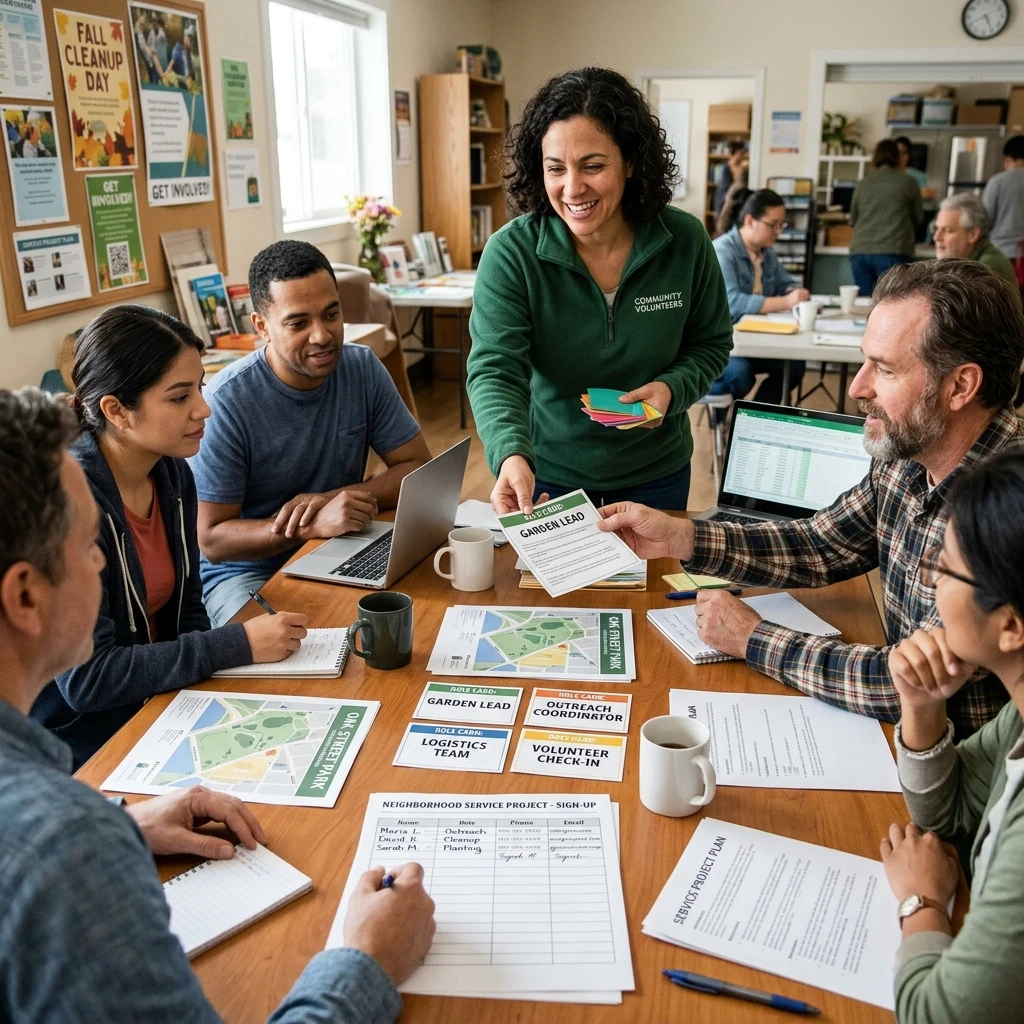
Recruiting volunteers takes more than posting a call for help. People are more likely to take part when they understand the role, see why it matters, and can move from interest to a first shift without confusion. For a community, civic, or NGO program, effective recruitment connects clear expectations with trusted outreach and a welcoming experience.
These strategies help small teams find people suited to the work, respect everyone’s time, and make recruitment the first step toward volunteer retention.
Start with clear, well-defined volunteer roles
Clear volunteer roles help prospective volunteers decide whether they have the time, skills, and interest to participate. Describe the actual tasks, schedule, support, and expectations before asking people to sign up.
A broad request such as “help our community” may sound appealing, but it leaves key questions unanswered. A specific role gives people a realistic picture. For example: “Pack grocery boxes on Tuesdays from 4 to 6 p.m.; lifting up to 15 pounds is sometimes required; training and a team lead are provided.”
For each role, include:
- Tasks: What will the person do during a typical shift?
- Time commitment: Is this a one-time event, weekly shift, or ongoing responsibility?
- Location and access: Where does the work happen, and are transport or accessibility details available?
- Requirements and support: Are particular skills, age limits, checks, training, or supervision needed?
- Point of contact: Who can answer questions before someone commits?
Separate essential requirements from preferences. If a task can be learned, say so. Avoid describing a volunteer position as a substitute for paid staff; volunteers should contribute to a program with appropriate supervision, not fill an employment gap. Specificity may attract fewer casual clicks, but it tends to produce better-informed inquiries and fewer mismatched expectations.
Make the value of volunteering easy to understand
Effective volunteer recruitment messaging explains the community need, the volunteer’s contribution, and what participation involves. Use a concrete example of the work and its purpose, while avoiding promises the program cannot guarantee.
People want to know what their time supports. Explain the program’s purpose in plain language, then connect a role to a real activity: volunteers sort donated supplies so families can access them, or help residents find their way at a community event. If you have verified results, share them with context. Do not imply that one shift will solve a complex problem or promise personal benefits such as career advancement unless those are genuinely part of the program.
A useful recruitment message answers four questions: Why is help needed? What will I do? What is the time commitment? How do I get started? Add relevant details about training, supervision, and the people the program serves. Keep the tone warm and direct; urgency can be appropriate, but guilt or pressure can undermine trust.
Be attentive to whose perspective appears in your message. Use respectful language, seek permission before sharing identifiable stories or images, and make clear that volunteers are joining a community effort. A brief, accurate account of the work is more persuasive than sweeping claims about impact.
Reach people through trusted, relevant channels
Reach potential volunteers through channels they already trust and use, choosing based on the role and community rather than relying on social media alone. Local partnerships and volunteer networks can bring a call for help to people with relevant interests, schedules, or skills.
Start with the people closest to the program: current and past volunteers, members, participants who may want to contribute, and community groups. Ask existing volunteers to share a specific role description with someone who might genuinely fit. A personal recommendation can build confidence, but make it easy to decline and avoid putting anyone under pressure.
Local partnerships can extend your reach. Depending on the role, contact libraries, schools, colleges, neighborhood associations, faith communities, service clubs, or other nonprofit organizations. Offer partners a ready-to-share message with the duties, time commitment, location, and sign-up link or contact details. Community outreach at a local event can also work well when a coordinator is available to answer questions rather than simply collect names.
Use online channels selectively. Social media can reach people who follow your organization, while community calendars, local forums, and partner newsletters may reach residents who do not. Choose accessible formats and plain language; if a role requires a specific language, schedule, or physical task, state that clearly. Broad distribution increases exposure, but it can also create inquiries your team cannot handle, so match outreach volume to follow-up capacity.
Make it simple to express interest and sign up
A simple sign-up process gives interested people one clear next step and asks only for information the program needs at that stage. Make the call to action easy to find, and offer an accessible way to ask questions or request help.
Reduce friction between seeing a recruitment message and making contact. Instead of sending people through several pages, provide a short form, a monitored email address, or a phone option where feasible. A first-interest form might ask for a name, preferred contact method, role of interest, and availability. Collect sensitive or detailed information later, through an appropriate process, when it is necessary.
Tell applicants what happens after they submit the form. For example: “A coordinator will contact you within three working days to discuss the role and arrange an introduction.” Set a response time your team can meet, and update the message if capacity or timing changes. Make forms usable on mobile devices, avoid unnecessary mandatory fields, and explain any required screening or background checks before applicants invest time.
One clear next step is usually better than several competing requests. If the role has a few stages, show them in order: express interest, speak with a coordinator, complete required checks or training, then confirm a first shift. A shorter process is not always appropriate for roles involving children, vulnerable adults, sensitive data, or safety risks; in those cases, explain why each step is needed.
Respond quickly and make first contact welcoming
Timely, friendly follow-up shows prospective volunteers that their interest has been received and gives them a clear route to the next step. Acknowledge inquiries promptly, answer practical questions, and be honest if a role is full or delayed.
Assign someone to monitor the sign-up inbox or form responses, even if that person can only check them on set days. Send a brief acknowledgment with an expected response time, then follow through. When speaking with a prospective volunteer, ask what kind of work they are interested in and what availability they have; do not assume every person can meet the same schedule.
Explain what the role involves, what training or screening is required, who will be present, and what to bring or wear. If a person is not a fit for one role, offer another option only when it is genuinely suitable. Respectful communication includes closing the loop with people who cannot be placed, rather than leaving them uncertain.
Keep the process accessible: ask whether the person needs an accommodation or another way to complete a step, and share the relevant contact details. A welcoming first conversation cannot erase a poorly designed role, but it can help someone make an informed decision and feel comfortable asking questions.
Turn recruitment into the start of retention
Volunteer retention begins before the first shift: it depends on whether the experience matches what recruitment promised. A thoughtful onboarding process, reliable support, and sincere appreciation help volunteers feel prepared and respected.
Before a first shift, provide the key information in a format people can refer back to: arrival details, the name of a contact, role boundaries, safety guidance, and what to do if they cannot attend. Introduce new volunteers to a team member who can answer questions. Keep training proportionate to the responsibilities, and check understanding rather than assuming a message or handbook was enough.
After the first shift, ask how it went. A brief check-in can reveal practical problems such as unclear instructions, an inconvenient schedule, or a task that differs from the original description. Respond to feedback where possible, and be transparent when a requested change is not feasible. Recognition can be simple: thank people specifically for their contribution, share appropriate updates about the program, and invite them to take on more responsibility only if they want to.
Track useful measures, not just the number of sign-ups. A small team might review how many inquiries receive a reply, how many people attend an initial shift, and where applicants decide not to continue. These figures are diagnostic, not a measure of a volunteer’s worth. If many people sign up but few arrive, revisit the clarity of the role, follow-up timing, and first-shift experience before increasing promotional volume.
Recruitment works best as a repeatable cycle: define the role, communicate its purpose, reach the right networks, make contact easy, respond with care, and learn from the first experience. The result is a more respectful path into volunteering and a stronger foundation for community participation.