The Role of Digital Platforms in Modern Civic Engagement

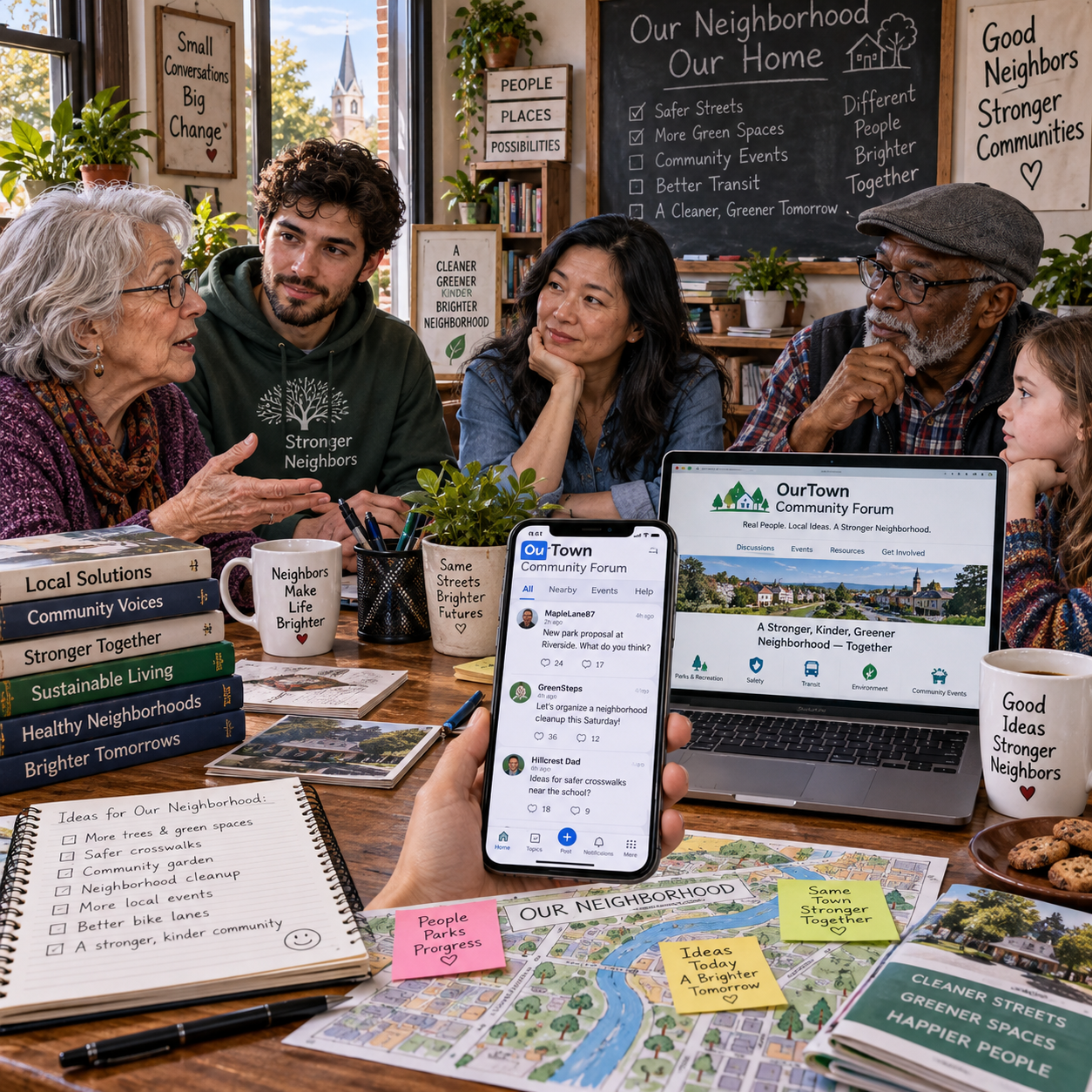
Digital platforms have changed how people learn about local issues, share concerns, and organize collective action. For communities and non-governmental organizations (NGOs), social media, online petitions, messaging groups, and virtual meetings can make civic participation easier to find and join. Their value, however, depends on whether people can access them, trust them, and see what happens after they contribute.
What civic engagement looks like today
Civic engagement is the way people take part in improving their communities and influencing decisions that affect them. It includes formal political activity, but also everyday actions such as joining a neighborhood meeting, volunteering, sharing local information, or giving feedback on a public service.
Today, community participation may begin in a conversation at a library and continue in a group chat. Residents might report a broken streetlight through a municipal portal, sign an online petition about a proposed change, or attend a public dialogue hosted by an NGO. These actions can help people identify shared concerns and connect with decision-makers.
Engagement also means more than clicking, liking, or signing. A useful way to assess it is to ask three questions: Who can take part? Can people participate in a way that suits their access and needs? Can they influence anything? Is there a clear route from input to a decision or action? Do they hear back? Are outcomes explained? This simple test separates meaningful participation from activity that produces numbers but little public value.
How digital platforms enable participation
Digital platforms enable civic participation by helping people find information, discuss issues, coordinate action, and send feedback without being in the same place. They can lower the effort required to get involved, especially when organizations provide clear, accessible ways to participate.
Social media can share meeting dates, explain a policy change, or direct residents to a trusted source. Online forums and moderated groups give people space to compare experiences and raise questions. Digital advocacy tools, including online petitions and email campaigns, can help a community show that an issue matters to many people. Video calls and web forms offer additional ways to join consultations or submit comments.
These tools serve different purposes. A public post may reach many people but allow little nuance; a small online discussion may support deeper exchange but include fewer voices. The United Nations’ public participation resources provide a broader context for involving people in public decision-making. For a local program, the practical choice is to match the platform to the task: use a short form for a specific service question, and a facilitated discussion for a complex community decision.
Digital spaces work best when organizations explain who is hosting the conversation, how contributions will be used, and when participants can expect an update. Without those details, a platform can collect opinions without building trust.
Ways communities and NGOs can use these tools
Communities and NGOs can use digital platforms to reach residents, coordinate volunteers, run campaigns, and gather input. Start with a defined community need, then choose tools that the intended participants already use or can access with support.
- Outreach: Share plain-language notices through social media, email, messaging groups, and partner newsletters. Include dates, locations, language options, and a contact for questions.
- Volunteer coordination: Use sign-up forms and group messaging to assign shifts, share safety guidance, and send timely updates. Avoid asking volunteers to disclose more personal information than the task requires.
- Campaigns and digital advocacy: Pair an online petition with a clear request, an explanation of who can act on it, and a plan to present the results. A signature count alone rarely explains the community’s concerns.
- Consultation and feedback: Offer a short survey, moderated online session, or digital suggestion box. Tell residents what question is being considered and how feedback will inform the next step.
- Local information-sharing: Publish verified updates about services, community events, and opportunities to participate. Correct outdated information promptly.
A small NGO might, for example, use a messaging group to recruit volunteers for a neighborhood clean-up, while offering phone registration for residents who do not use the app. After the event, it can share what was completed and invite suggestions for the next one. This closes the loop between outreach and community action.
Before launching, check whether the platform is familiar, accessible on low-cost devices, and appropriate for the sensitivity of the discussion. A popular social network may be useful for announcements, but it may not be the right place to collect details about a person’s health, immigration status, or housing situation.
Benefits of digital civic engagement
Digital civic engagement can make participation more accessible, visible, and connected. It gives people additional ways to contribute, helps organizations communicate quickly, and can make community concerns easier to document and share.
For residents with work, caregiving, mobility, or transportation constraints, an online meeting or form may be easier than attending an event in person. Digital channels can also help people who are new to a community find local services and connect with organizations. A public record of updates and responses can make a process more transparent, provided the information is accurate and kept current.
For NGOs, online tools can support timely outreach and reveal where people are asking questions or encountering barriers. A combination of formats can widen participation: a short survey may collect broad feedback, while a smaller facilitated session allows residents to explain why an issue matters. The benefit comes from using each method for what it does well, rather than treating digital reach as proof of representative input.
Visibility has a trade-off. Public comments can help make an issue harder to overlook, but they may expose participants to harassment or unwanted attention. Organizations should offer private ways to contribute and explain how public contributions may be displayed.
Challenges to consider
Digital civic engagement can exclude people when access, skills, language, trust, or privacy are overlooked. Unequal internet access is only one barrier; a person may have a phone but lack affordable data, a quiet place to join a meeting, or confidence using an unfamiliar platform.
Digital inclusion requires organizations to consider device access, disability access, language, digital literacy, and time. Misinformation adds another challenge: a false claim can spread quickly through social media and weaken public dialogue. Moderation, clear source links, and prompt corrections help, but they cannot guarantee that every participant sees accurate information.
Privacy and data protection need equal care. A registration form should collect only what is necessary, explain why information is requested, identify who can access it, and state how long it will be kept. Use secure tools for sensitive feedback, restrict access to records, and avoid publishing names or personal stories without informed permission.
Common mistakes can undermine participation:
- Using one platform for everyone: It seems efficient, but can exclude people who do not use that service. Offer alternatives such as phone, paper, or in-person participation.
- Collecting feedback without a response: Residents may conclude that their time was wasted. Set a realistic date for reporting what was heard and what will happen next.
- Confusing activity with influence: Views, shares, and signatures measure online activity, not necessarily representativeness or impact. Explain who participated and how the input informed decisions.
Online engagement also cannot replace the trust built through face-to-face relationships. Some issues require private support, careful facilitation, or the nuance of a conversation that a form cannot provide.
Building inclusive and meaningful participation
Inclusive digital participation starts with a clear purpose, offers more than one way to take part, protects participants’ information, and reports back on results. Digital and in-person methods should work together so that technology expands access rather than becoming a gatekeeper.
Before choosing a tool, use this practical sequence:
- Define the decision or action. State what residents can influence and what is already fixed.
- Identify who may be missing. Consider age, language, disability, connectivity, work schedules, and prior experience with local institutions.
- Choose a mix of channels. Combine online options with phone, paper, community venues, or outreach through trusted local partners.
- Set participation safeguards. Explain moderation, privacy, data use, and how people can contribute anonymously or privately where appropriate.
- Close the feedback loop. Share what participants said, what changed, what did not, and why. Give people a clear way to ask follow-up questions.
Keep digital content usable: write in plain language, make forms short, provide captions for video, and test pages on a mobile phone. When people need help, offer a real contact rather than sending them through a chain of automated replies. For public dialogue, a trained facilitator can set respectful discussion rules and make room for quieter voices.
Finally, review participation for gaps. Look beyond total responses: note which groups took part, which channels they used, and where people dropped out. Use those findings to adjust the next round. A digital platform earns its place in civic life when it helps residents contribute safely and see a credible connection between their participation and community outcomes.
Frequently asked questions
What is digital civic engagement?
Digital civic engagement is participation in community or public life through online tools, such as social media, virtual meetings, online petitions, digital surveys, and public-service portals. It can inform discussion, organize action, and gather feedback.
How can NGOs use digital platforms to involve communities?
NGOs can use platforms to share accessible information, coordinate volunteers, host consultations, run digital advocacy campaigns, and collect feedback. They should explain how input will be used and provide offline options for people who cannot participate online.
Can online participation complement in-person engagement?
Yes. Online tools can make it easier to share information and contribute at a convenient time, while in-person meetings support relationship-building and detailed discussion. Combining both can reach more people than relying on either method alone.
What barriers can prevent people from participating online?
Barriers include unreliable internet, device or data costs, inaccessible design, language differences, limited digital skills, privacy concerns, low trust, and lack of time. Offering alternative channels and practical support can reduce these obstacles.